Quick Sift
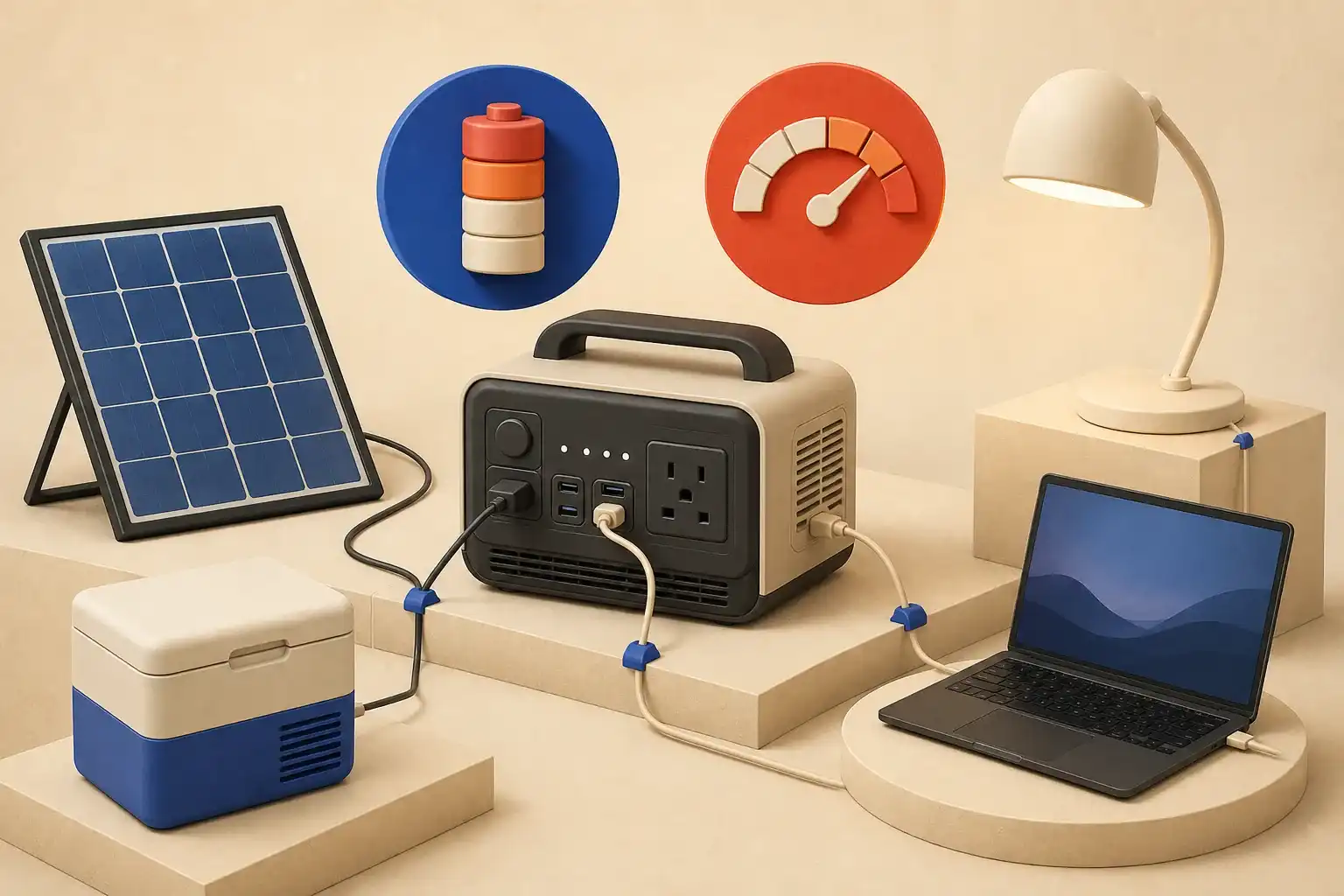
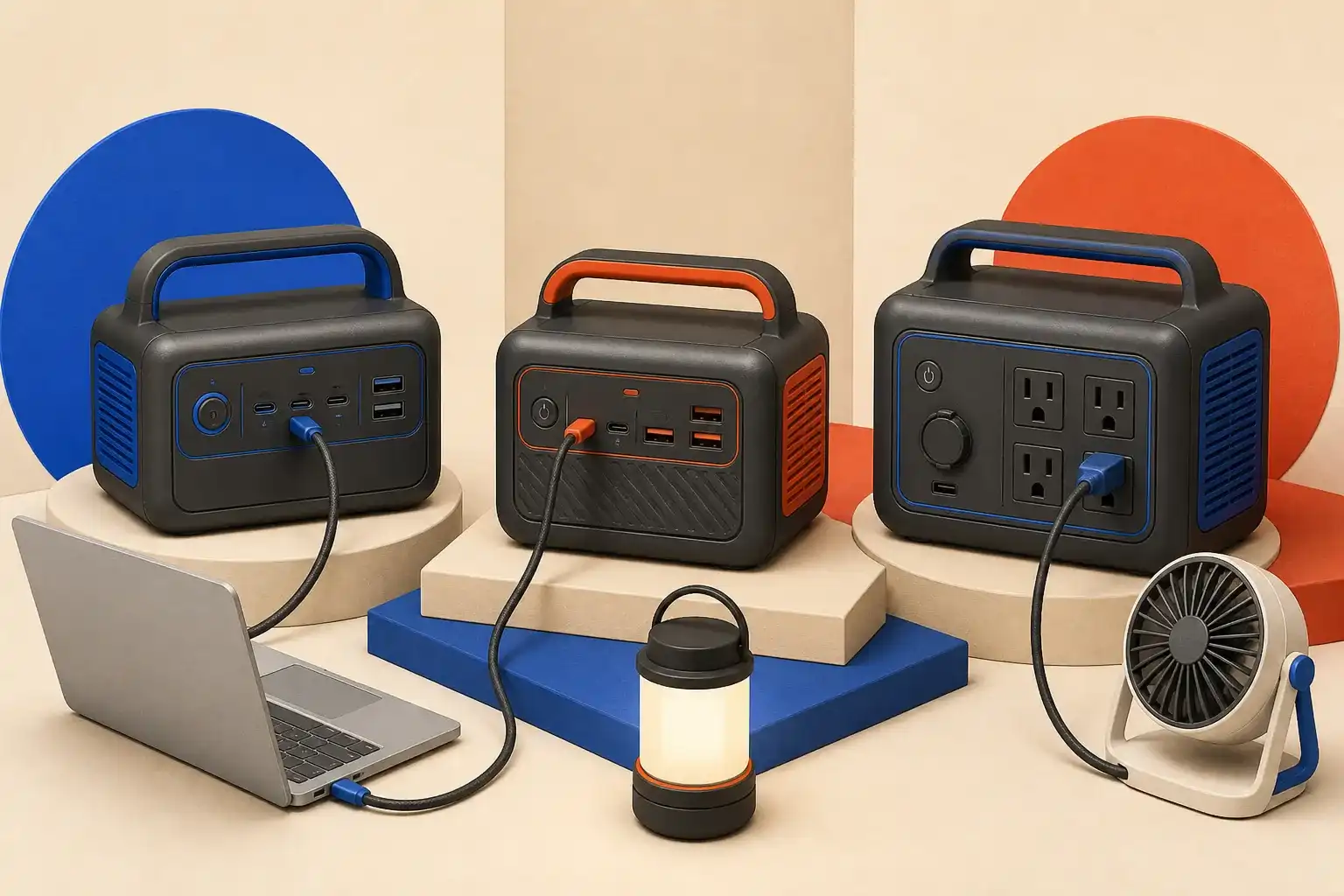
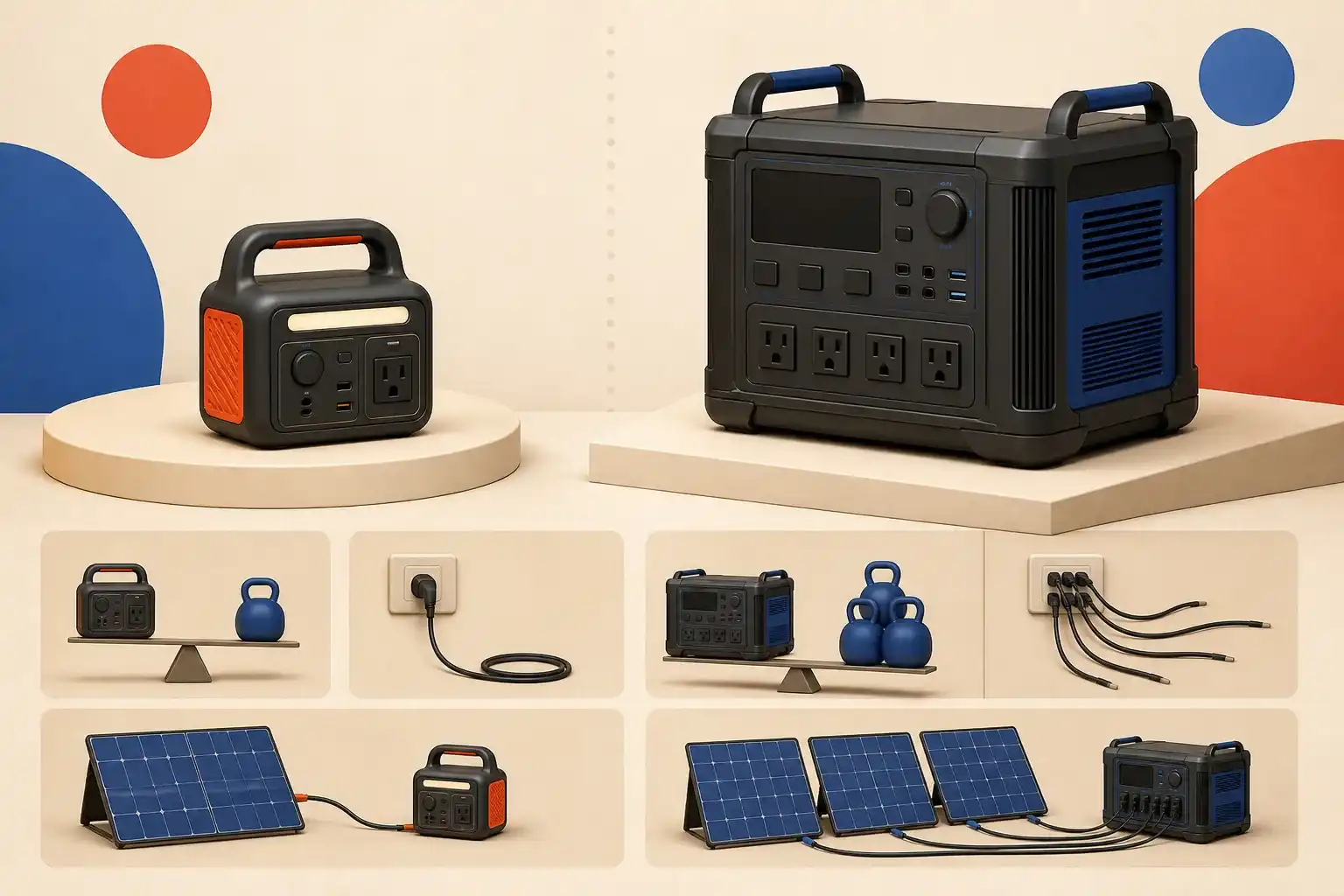
Choose the EcoFlow RIVER 2 Pro for an 18.2-pound electronics and camping station with 768Wh capacity and 800W output. Choose the BLUETTI AC180 when 1,152Wh, 1,800W AC output, and a 500W solar ceiling justify a 35-pound machine.
Options for different needs
These are different-fit reference options, not a ranking. BestSift earns a commission from qualifying purchases through these links. Our selections are research-based, not hands-on test results.
EcoFlow RIVER 2 Pro
768Wh · 800W · 18.2 lb
BLUETTI AC180
1,152Wh · 1,800W · 35.3 lb
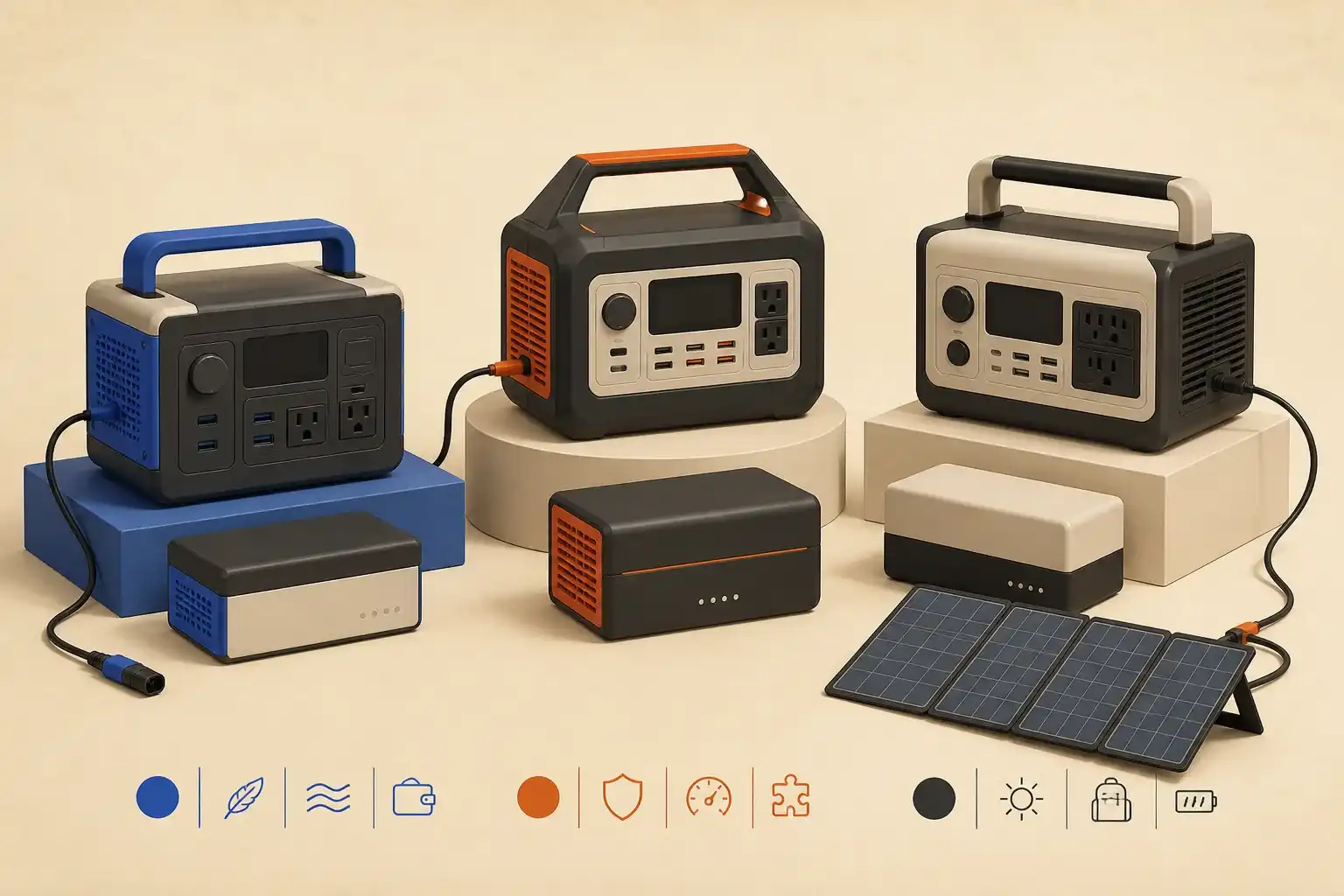
The EcoFlow RIVER 2 Pro and BLUETTI AC180 are not direct twins. The RIVER 2 Pro is an 18.2-pound, 768Wh station rated for 800W AC output. The AC180 stores 1,152Wh, delivers 1,800W rated AC output, and weighs about 35 pounds. Comparing them is useful because many buyers are deciding whether portability or appliance headroom should dominate a camping and outage kit.
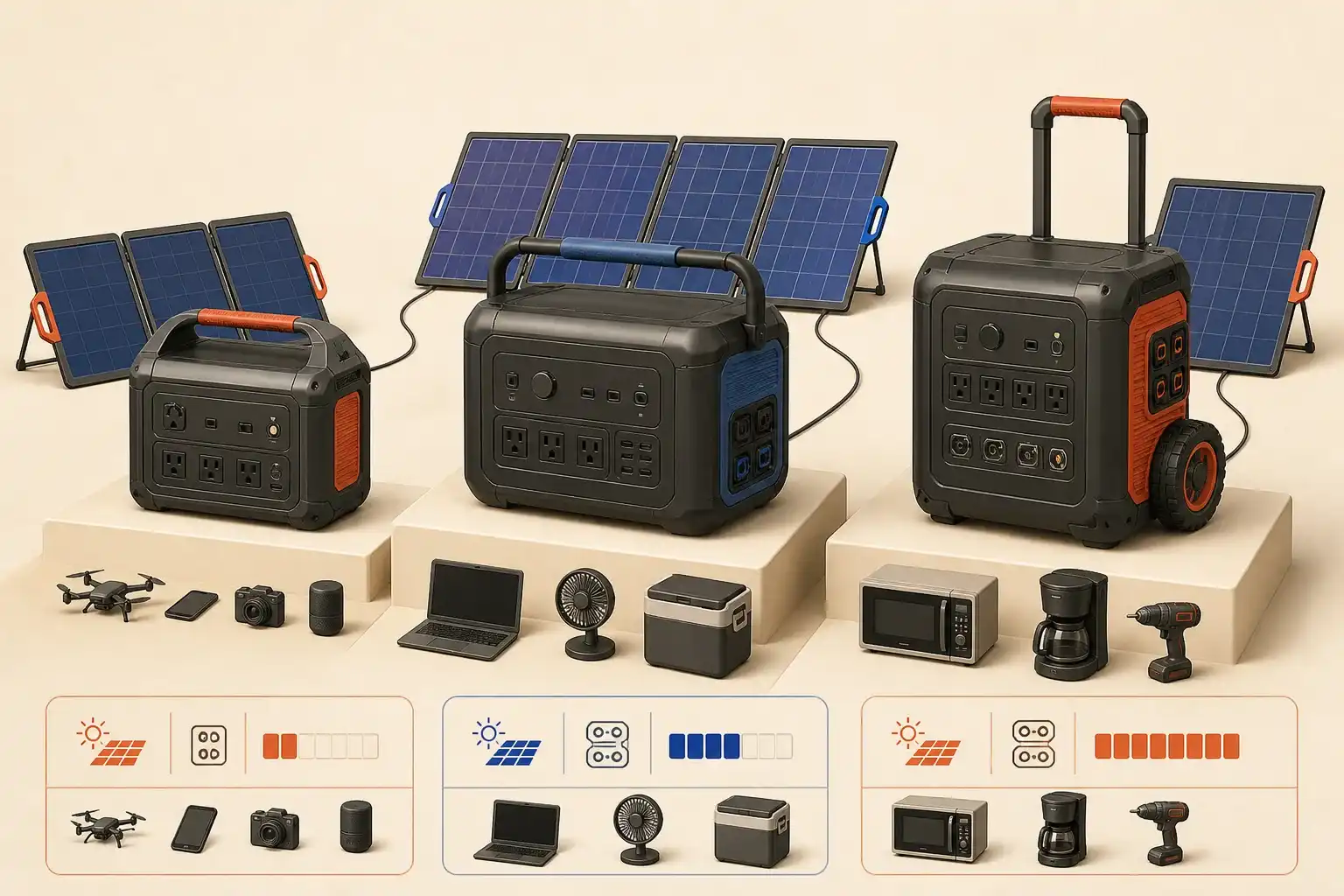
The RIVER 2 Pro is easier to carry, place, and recharge from USB-C. The AC180 has 50 percent more nominal energy, more than twice the rated AC output, and a higher solar-input ceiling. Neither advantage is automatically decisive. The right station depends on measured load, required hours, charging route, storage, and whether one person can move it safely.
River 2 Pro and AC180 specifications
| Decision point | EcoFlow RIVER 2 Pro | BLUETTI AC180 |
|---|---|---|
| Nominal capacity | 768Wh | 1,152Wh |
| Battery chemistry | LFP | LFP |
| Rated AC output | 800W | 1,800W |
| Manufacturer high-load mode | X-Boost up to 1,600W | Power Lifting up to 2,700W |
| Approximate weight | 18.2 lb | 35.3 lb |
| Solar input | 220W max | 500W max |
| USB-C | 100W bidirectional | 100W output |
| AC charging claim | About 70 minutes full | Up to 1,440W input; 80% in 45 minutes |
| Wireless control | Wi-Fi and Bluetooth | Bluetooth |
The table uses official manufacturer figures. X-Boost and Power Lifting are not ordinary continuous-output ratings. These modes can change voltage and may suit only particular loads. Check the appliance manual and use 800W or 1,800W as the conservative continuous ceiling.
Capacity decides time; output decides admission
Two questions must be answered separately. Can the inverter start and sustain the device? If it can, does the battery store enough energy for the required duration?
A refrigerator compressor may draw modest power after startup but briefly demand more when the compressor engages. A coffee maker may draw 1,000W or more but only for minutes. A router may use under 20W continuously. The RIVER 2 Pro can be ideal for the router yet reject the coffee maker; the AC180 may run the coffee maker but lose a meaningful share of its stored energy during repeated use.
Estimate runtime with measured watts and a loss factor. At an illustrative 80 percent usable AC allowance, the RIVER 2 Pro provides about 614Wh and the AC180 about 922Wh. A constant 75W combined load could therefore suggest roughly eight versus twelve hours. Those numbers are planning estimates, not promises. Temperature, inverter efficiency, duty cycle, battery reserve, and station idle power change the result.
For compressors, observe a full start and cycling period with a suitable meter before relying on the calculation. Do not assume the appliance’s average energy label reveals startup demand.
RIVER 2 Pro: choose mobility
EcoFlow lists the RIVER 2 Pro at 18.2 pounds and roughly 10.6 by 10.2 by 8.9 inches. It is realistic for one person to move between a shelf, vehicle, campsite, and work surface. Its 768Wh battery is large enough for electronics and defined moderate loads without turning the station into a two-handed object.
The station’s 800W pure-sine AC output, 100W bidirectional USB-C port, 220W solar input, car charging, and app control create several charging routes. USB-C input is especially useful when a compatible charger is already in a travel kit, although it is slower than wall charging. EcoFlow specifies 70 minutes for full AC charging under its stated conditions.
The principal limitation is appliance headroom. An 800W rating excludes many cooking, heating, and motor loads even before runtime is considered. X-Boost can support certain higher-wattage devices by managing voltage, but electronics, compressors, and devices that require stable rated voltage may not be appropriate. Use it only where both manuals permit.
RIVER 2 Pro fits mobile office electronics, camera systems, lights, communications, fans, and some measured 12V refrigeration. It is less suitable when the main job is a microwave, kettle, high-watt coffee system, or multiple AC appliances at once.
AC180: choose appliance margin
The BLUETTI AC180 raises nominal capacity to 1,152Wh and rated AC output to 1,800W. BLUETTI lists four U.S. AC outlets, a 100W USB-C port, four USB-A ports, a regulated 12V car outlet, and a wireless charging pad. A 1,440W maximum AC input supports fast recharging, while solar input reaches 500W within the specified voltage and current window.
This is a more appliance-oriented station. A verified refrigerator, cooking device, power-tool charger, or mixed outage load has more inverter headroom. The extra 384Wh also extends runtime relative to the RIVER 2 Pro, though not in proportion to the output increase.
Weight is the counterargument. At roughly 35 pounds, the AC180 is close to twice the RIVER 2 Pro’s weight. That changes shelf height, stair use, vehicle loading, and who can move it. Measure the storage opening and plan cable clearance. Do not place a heavy battery where children can pull it or where ventilation is blocked.
BLUETTI’s Power Lifting mode is intended for compatible resistive loads and should not be treated as 2,700W of regular output. The station’s ordinary 1,800W rating remains the safer planning figure. The 15W wireless pad is convenient but less efficient than a cable and should not drive the purchase.
Refrigerator and cooler planning
Portable stations are often purchased for refrigeration. Build the plan around the exact appliance, ambient temperature, door-opening frequency, startup demand, and required food-safety time. A household refrigerator in a warm kitchen is not equivalent to a well-insulated car cooler already cold at the start.
Use a plug-in meter over a representative day when safe. Record the highest visible startup draw and total watt-hours, then add margin for hotter conditions. For a 12V refrigerator, confirm the station’s regulated DC output and the appliance plug. DC can avoid inverter loss, but connector looseness and low-voltage cutoff still matter.
Keep an independent refrigerator thermometer and follow government food-safety guidance. A runtime estimate in an app is not proof that food stayed at a safe temperature. If refrigeration is critical, preserve ice, cooler, relocation, or generator alternatives.
The AC180’s extra capacity and output make it the stronger refrigerator-plus-other-load station. The RIVER 2 Pro can still be the better travel match when the cooler is efficient, the load is measured, and daily recharging is available.
Solar: panel compatibility before wattage
The RIVER 2 Pro accepts up to 220W solar input; the AC180 up to 500W. A larger ceiling can replace daily use faster, but only with enough panel area and favorable sun. Check open-circuit voltage, operating voltage, current, connector, and polarity. Cold weather raises panel voltage, so array design must remain below the station maximum in the coldest expected condition.
Panel nameplate output occurs under test conditions. Shade, angle, heat, dirt, clouds, cable loss, and controller behavior reduce real harvest. Estimate daily watt-hours, not just peak watts. A 500W array that is cumbersome to deploy may produce less useful energy than a smaller panel used consistently.
Secure panels against wind and keep connectors dry. Do not place the station in direct sun or rain simply because the panels are outdoors. Route cables to avoid trip and pinch hazards.
Charging and circuit demands
Fast charging can be the deciding feature before storms, but it also draws heavily from a wall circuit. Use the supplied cable, a grounded outlet, and the manual’s clearance. Avoid a shared circuit already carrying heaters, kitchen appliances, or tools. Maximum charging can increase fan noise; app-controlled slower charging may suit nighttime use if supported.
Vehicle accessory-socket charging is slower. Check socket current, cable temperature, and whether the vehicle must run. Never deplete a starter battery unintentionally. Higher-power alternator systems require a separate compatibility and installation assessment.
RIVER 2 Pro’s USB-C input adds redundancy: a compatible 100W source can charge the station without the AC cord. The AC180’s USB-C is listed as output, so do not assume the same behavior based on connector shape.
EPS and pass-through use
EcoFlow states an under-30ms EPS transfer for the RIVER 2 series; BLUETTI lists pass-through capability and documents AC180 UPS behavior. Transfer labels do not guarantee every computer, medical device, or compressor stays active. The equipment’s power supply must tolerate the interval and the station’s bypass limits.
Test noncritical electronics through a controlled unplug event. Confirm settings persist after firmware updates and that ECO mode does not shut down a small load. For medical or life-safety equipment, use the device manufacturer’s approved backup method and redundancy. A portable station is not automatically a medical UPS.
Temperature, storage, and ownership
Both products use LFP cells, but LFP does not eliminate temperature rules. RIVER 2 Pro lists charging from 32°F to 113°F and discharge from 14°F to 113°F. AC180 documentation should be checked for its current charging, discharging, and storage ranges. Do not charge a frozen battery or leave either station in a hot parked vehicle.
Store the station dry, with vents clear, at the state of charge and inspection interval in the manual. Exercise outputs periodically with a noncritical load. Inspect plugs, solar connectors, and cables for heat damage or corrosion. Plan for manufacturer service and battery recycling; large lithium products have shipping restrictions and cannot go into household trash.
Which station should you buy?
Choose the EcoFlow RIVER 2 Pro when the load list fits under 800W with startup margin, 768Wh covers the required time, and frequent carrying is expected. It is the more coherent mobile electronics and lighter camping option.
Choose the BLUETTI AC180 when measured appliances need more inverter headroom, 1,152Wh materially improves the runtime plan, and a 500W compatible solar array or fast AC charging will be used. Accept that it is a 35-pound object requiring a different storage and movement plan.
Skip both when the job is undefined whole-home backup, a hardwired appliance without an approved connection method, or a critical system with no redundancy. A larger station does not fix an unsafe connection.
Pre-purchase checklist
- Measure continuous, startup, and daily watt-hours for each load.
- Apply conversion and reserve losses to the runtime calculation.
- Confirm AC total, USB shared output, and regulated 12V limits.
- Decide whether an 18- or 35-pound station can be moved safely.
- Match panel voltage, current, polarity, connector, and cold-weather limits.
- Check wall-circuit demand and charging noise.
- Verify whether USB-C supports input, output, or both.
- Test noncritical transfer behavior and low-load ECO settings.
- Review temperature, storage charge, warranty, repair, and recycling rules.
RIVER 2 Pro wins on portability; AC180 wins on capacity and inverter range. The right answer becomes clear only after the load and charging route are written down.
Research shortlist
Products to consider
As an Amazon Associate I earn from qualifying purchases.These are research-based examples—not hands-on test results, promises of availability, or absolute rankings.
EcoFlow RIVER 2 Pro
A carry-friendly station for electronics, camping, and moderate loads where weight and USB-C input matter more than high-watt appliance coverage.
EcoFlow RIVER 2 Pro specifications
BLUETTI AC180
A heavier alternative with more energy and AC output for appliances, balanced against lower portability and a larger storage footprint.
Sources reviewed
BestSift favors standards bodies, public agencies, official manuals, and primary manufacturer documentation. Accessed August 13, 2026.