Quick Sift
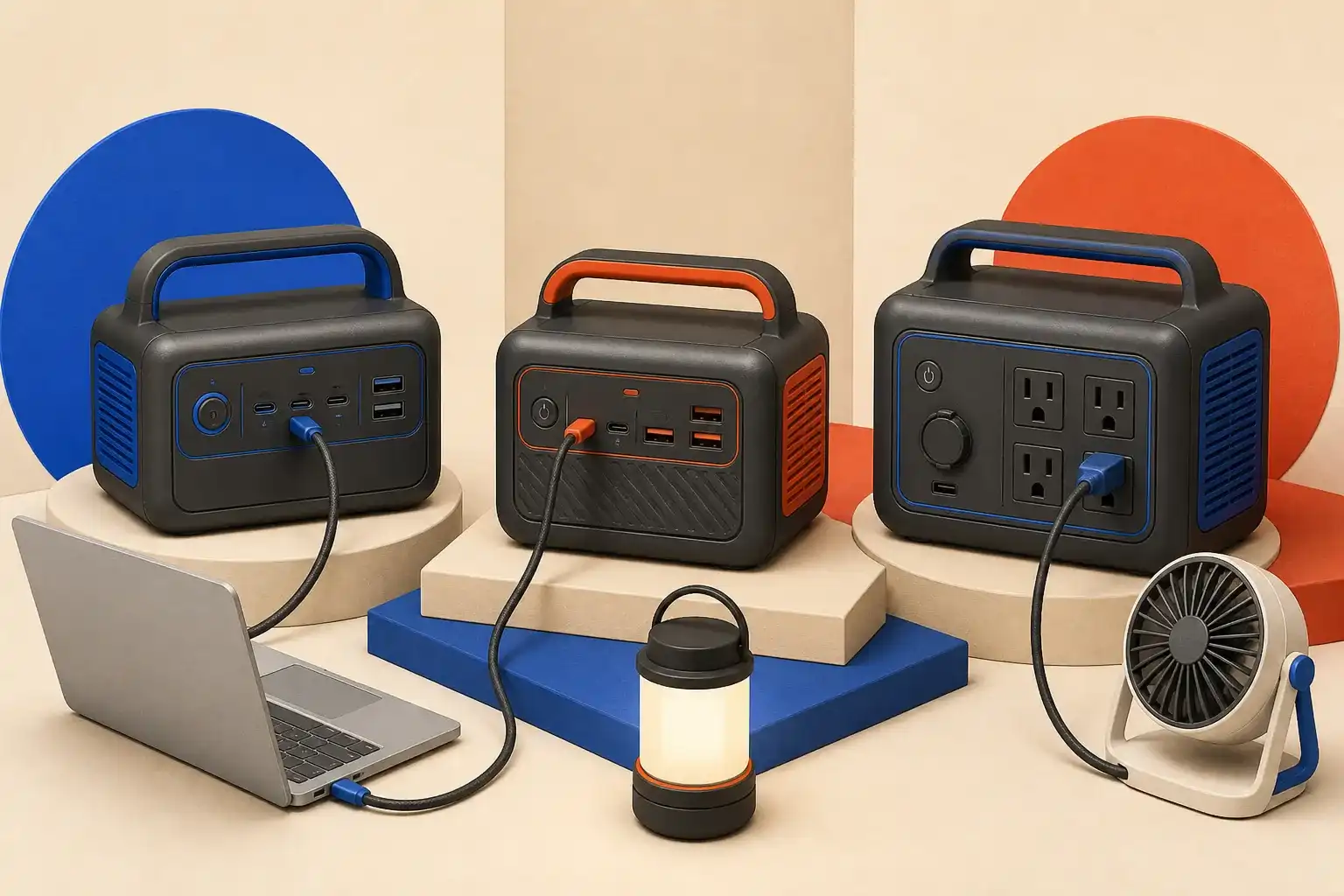
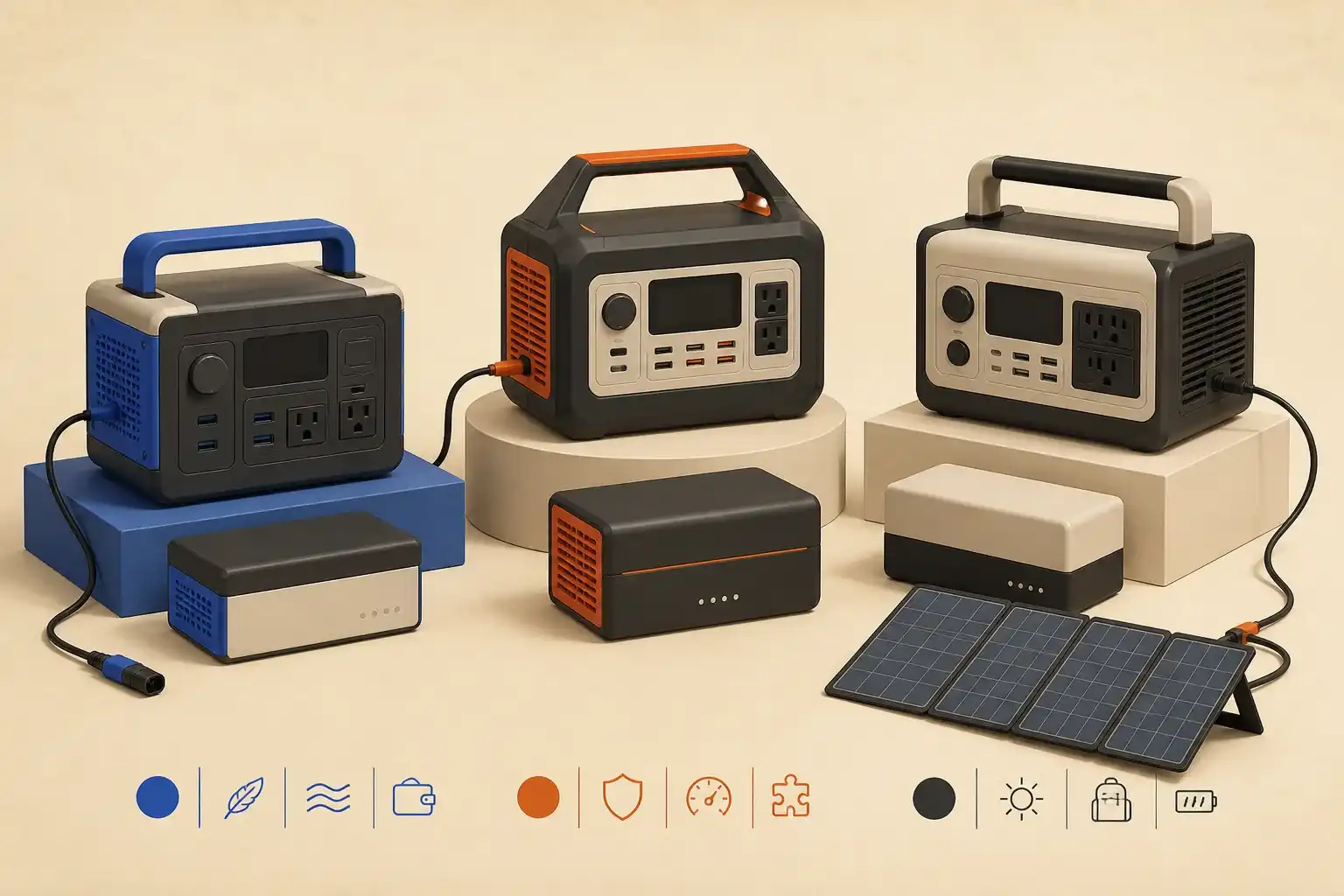
Choose the original Anker SOLIX C1000 when the matching expansion battery is central to the plan, the C1000 Gen 2 for higher output and lower carry weight without expansion, or the BLUETTI Elite 100 V2 for a high solar-input ceiling and broad connectivity.
Options for different needs
These are different-fit reference options, not a ranking. BestSift earns a commission from qualifying purchases through these links. Our selections are research-based, not hands-on test results.
Anker SOLIX C1000
1,056Wh · expandable · 1,800W
Anker SOLIX C1000 Gen 2
1,024Wh · 2,000W · 24.9 lb
BLUETTI Elite 100 V2
1,024Wh · 1,800W · 1,000W solar
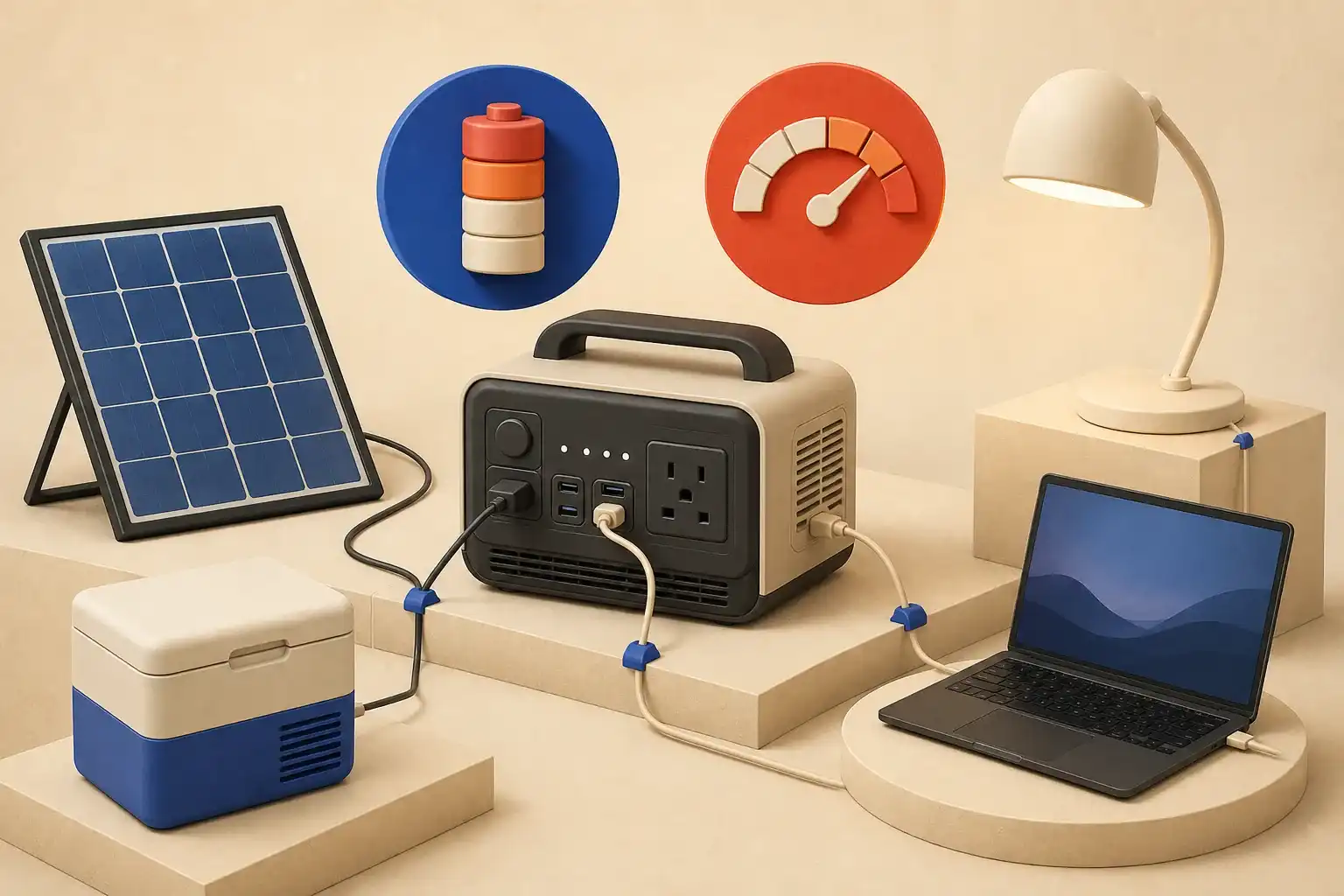
The Anker SOLIX C1000, Anker SOLIX C1000 Gen 2, and BLUETTI Elite 100 V2 all sit near the 1kWh portable power station class. Their capacities differ by only 32Wh on the label: 1,056Wh for the original C1000 and 1,024Wh for the other two. That narrow difference is less important than the systems around the batteries.
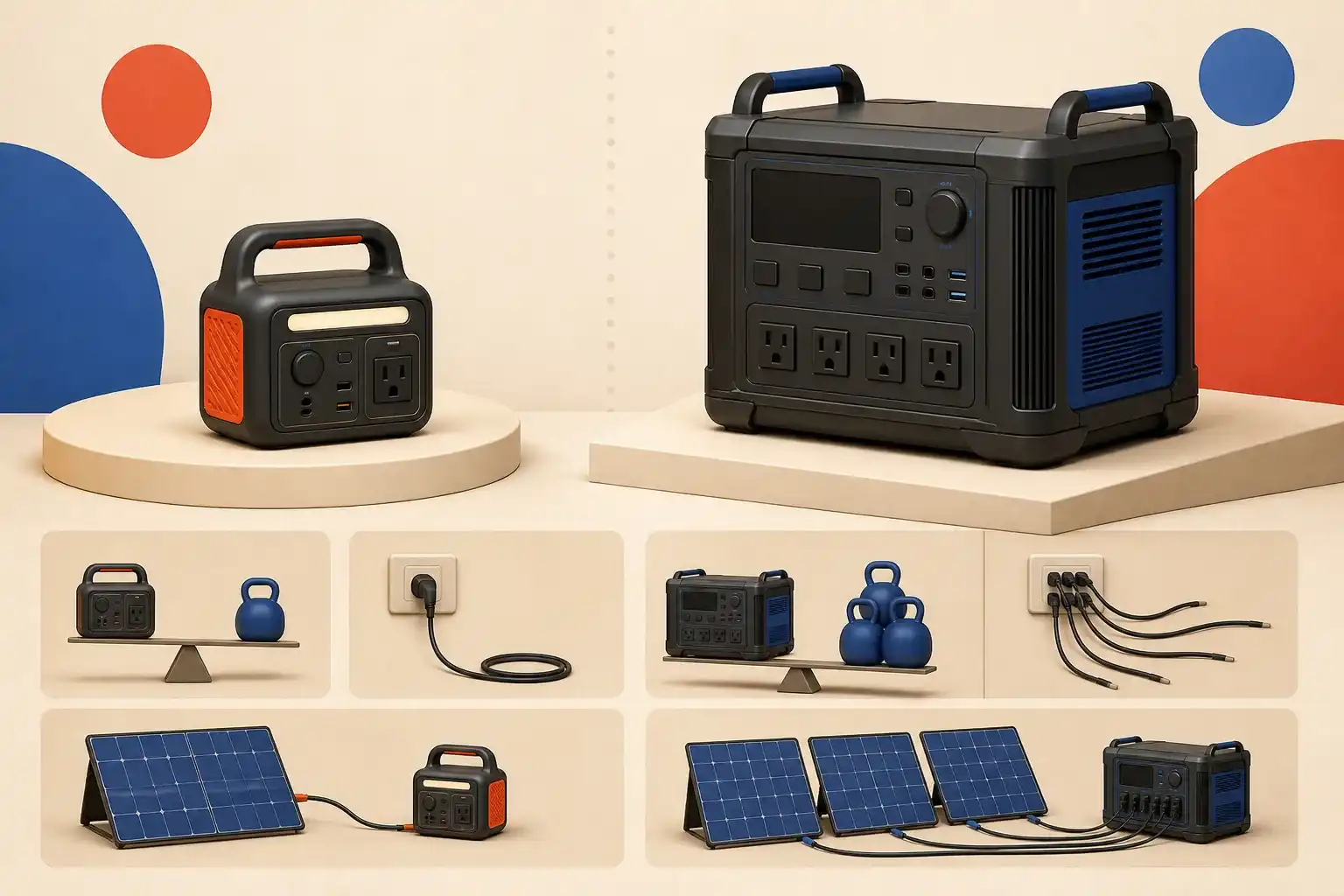
The original C1000 supports a matching expansion battery. The C1000 Gen 2 increases rated output, reduces weight, and shortens the stated transfer time, but it is not the same expandable platform. The Elite 100 V2 combines a 1,800W inverter with a high stated solar-input ceiling and Wi-Fi plus Bluetooth control. Buyers should choose around load, charging, mobility, and future capacity—not around generation numbering alone.
C1000 and Elite 100 V2 specifications
| Decision point | Anker SOLIX C1000 | C1000 Gen 2 | BLUETTI Elite 100 V2 |
|---|---|---|---|
| Nominal capacity | 1,056Wh | 1,024Wh | 1,024Wh |
| Rated AC output | 1,800W | 2,000W | 1,800W |
| Manufacturer peak/lifting mode | 2,400W SurgePad | 3,000W peak | 2,700W Power Lifting |
| Expansion battery | Yes, matching BP1000 | No stated expansion support | No direct expansion battery |
| Max solar input | 600W | 600W | 1,000W |
| Approximate weight | 28.4 lb | 24.9 lb | 25 lb |
| Stated transfer time | 20ms | 10ms | 10ms or less |
| Wireless control | App | App | Wi-Fi and Bluetooth |
Treat those figures as manufacturer specifications. Power Lifting and SurgePad modes may alter voltage and are not a universal way to run every appliance above rated output. Motor, compressor, electronic, heating, and power-supply loads behave differently. Use continuous output and the device manufacturer’s rules as the conservative baseline.
Begin with an energy and startup audit
A 1kWh-class station is large enough for meaningful outage or camping work, but it does not answer how long a device runs. Measure normal wattage, startup behavior, and duty cycle. A refrigerator cycles; a router stays fairly steady; a microwave draws heavily for a short time; a furnace may require a safe transfer arrangement and has a blower startup.
Apply a loss allowance to nominal capacity. If a planning model assumes 80 percent usable AC energy, a 1,024Wh battery supplies roughly 819Wh before other uncertainties. A 100W continuous load might therefore run about eight hours, while a 1,500W heating load consumes that energy in well under an hour. Actual results depend on temperature, conversion efficiency, battery reserve, load shape, and idle draw.
Do not use a portable power station to backfeed a home outlet. Home circuits, transfer equipment, grounding, and neutral behavior require an approved installation and qualified guidance. These products are most straightforward when devices plug directly into the station within the manual’s limits.
Original Anker C1000: choose expansion deliberately
The original SOLIX C1000 has a 1,056Wh LFP battery, 1,800W rated AC output, 600W maximum solar input, and a stated 20ms transfer. Anker lists compatibility with the BP1000 expansion battery, raising the system to 2,112Wh. This is the deciding feature for buyers who expect longer runtime but want to buy the second battery later.
Expansion is not free flexibility. The extra battery has cost, weight, storage, cabling, and compatibility implications. Confirm the exact expansion model, cable, firmware, charging behavior, and whether both components can be transported or serviced conveniently. A two-piece system may be easier to lift one component at a time, yet it occupies more floor area and adds a connection that must stay protected.
The original C1000 is also the heaviest of this group at about 28.4 pounds. Anker lists 1,300W maximum ultrafast AC charging and specifies solar voltage ranges around an XT60 input. Buyers should confirm U.S. port counts and bypass ratings in the current U.S. documentation because regional outlet configurations differ.
Choose this model when expansion is a real requirement. If the second battery is only a vague possibility, compare the weight and output of newer nonexpandable models instead of paying for an ecosystem feature that may never be used.
C1000 Gen 2: output and portability over expansion
The C1000 Gen 2 uses a 1,024Wh LFP battery and raises rated output to 2,000W, with Anker citing a 3,000W peak figure. It weighs about 24.9 pounds and has a stated 10ms UPS transfer. Anker also promotes a 49-minute full wall charge in its fastest app-enabled mode under specified conditions.
Those changes make Gen 2 attractive for a buyer who moves the station frequently or wants more simultaneous AC headroom. The roughly three-and-a-half-pound reduction is meaningful on stairs, around a campsite, or during storm preparation. The higher inverter rating can accommodate a broader load list, provided startup and total continuous demand are verified.
The tradeoff is expansion. Gen 2 should not be assumed compatible with the original C1000’s battery simply because the names are similar. Use the exact A1763 documentation and accessories. If 1,024Wh is not enough for the planned outage duration, moving to a 2kWh station may be more coherent than buying Gen 2 and improvising around its fixed capacity.
Fast charging also needs context. Maximum input can increase fan noise and circuit demand. Enable the fastest mode only on a suitable outlet with ventilation and within the manual’s temperature range. A slower setting may be preferable overnight or on a shared circuit.
BLUETTI Elite 100 V2: a solar-oriented alternative
The Elite 100 V2 also stores 1,024Wh and weighs about 25 pounds. BLUETTI lists 1,800W total AC output, 2,700W Power Lifting, a 1,000W solar-input ceiling, 1,200W AC charging, and UPS transfer at 10ms or less. It includes both Wi-Fi and Bluetooth connectivity.
The 1,000W solar figure stands out, but it creates a stricter compatibility task. An array must stay within the station’s voltage and current window at all temperatures. Panel open-circuit voltage rises in cold weather, and parallel wiring changes current. Use the manual’s PV range, compatible connectors, and a cold-weather calculation. Do not connect panels merely until their nameplate watts add to 1,000.
The Elite 100 V2 suits users who can exploit larger solar input during vehicle-based camping, remote work, or longer outages. It is less compelling if charging will almost always come from a wall outlet and the buyer values Anker’s particular app or accessory ecosystem. Its Power Lifting mode should be treated as load-specific, not as 2,700W of ordinary continuous inverter capacity.
Expansion battery or larger base station?
The original C1000’s expansion path allows a buyer to separate the inverter from extra stored energy. That can be useful when the normal trip needs 1kWh but occasional outages need 2kWh. It can also preserve investment if the compatible battery is readily available.
A single 2kWh base station can offer a cleaner cable layout and may provide higher output or different charging options. It is usually heavier in one piece. Compare total installed weight, number of handles, cable clearance, charge time for the combined capacity, and whether the inverter is powerful enough for the expanded runtime plan.
Do not assume expansion increases output. Extra watt-hours usually extend time; the base inverter still controls instantaneous AC power. A 2,112Wh C1000 system remains governed by the C1000’s rated output.
Solar and vehicle charging
All three accept solar, but solar planning must include more than the maximum watt number. Record minimum and maximum input voltage, current limit, connector, and number of trackers. A 600W or 1,000W array rarely produces nameplate power for a full day. Shade on one panel can reduce a series string, hot panels produce less power, and winter sun changes both output and open-circuit voltage.
Vehicle charging through a standard accessory socket is generally much slower and can stress a poor socket or cable. Follow current limits and do not leave charging equipment loose in a hot vehicle. Higher-power alternator chargers are separate systems that require vehicle compatibility and proper installation.
For a useful solar comparison, estimate daily energy harvest under the intended location and season. Then check whether that harvest replaces the measured daily load with margin. A larger solar input is valuable only when panel area, mounting, weather, and storage make it usable.
UPS and backup limitations
The stated 10ms or 20ms transfer times sound precise, but connected equipment has its own hold-up tolerance. Bypass power, grounding, waveform, restart behavior, and station settings can affect results. Test a router, desktop, or NAS under controlled, noncritical conditions before depending on it.
Neither the label nor a successful single test turns a portable station into medical-grade backup. Follow the equipment manufacturer for medical devices and maintain redundancy appropriate to the risk. For refrigeration, use an independent thermometer and food-safety plan rather than trusting an app estimate.
Maintenance and long-term cost
Battery cycle-life claims are tied to specific test conditions and an end point such as 80 percent remaining capacity. Ownership also includes firmware support, fan and inverter electronics, cables, replacement accessories, and warranty service. Check whether shipping a large lithium product for service is practical from your location.
Store the station dry and within the specified temperature range. Recharge at the interval in the manual, inspect cables and ports, and keep vents clear. Do not store it in a parked vehicle through summer heat. Learn the recycling route before the battery reaches end of life; it does not belong in household trash.
Which 1kWh station fits?
Choose the original Anker SOLIX C1000 when the BP1000 expansion path is a defined part of the plan. Its 1,800W inverter and 600W solar input cover broad use, but it is heavier and uses the older 20ms stated transfer.
Choose the C1000 Gen 2 when 2,000W output, lower weight, and 10ms transfer matter more than adding capacity. It is the cleaner Anker choice for a fixed 1kWh kit that moves often.
Choose the BLUETTI Elite 100 V2 when the 1,000W solar ceiling, wireless options, or port layout solves a concrete need. It is especially relevant when a compatible high-input solar array is already planned.
Buying checklist
- Measure normal and startup watts for every intended load.
- Calculate runtime with conversion and reserve losses.
- Decide whether capacity expansion is required, not merely attractive.
- Verify the exact expansion-battery model before choosing original C1000.
- Match solar voltage, current, connector, polarity, and cold open-circuit voltage.
- Confirm U.S. outlet count, bypass rating, and USB shared limits.
- Check weight, handle position, ventilation clearance, and storage space.
- Review temperature rules, storage charge interval, warranty, and service shipping.
- Test transfer behavior with noncritical equipment.
- Preserve a separate plan for medical, food-safety, and life-safety loads.
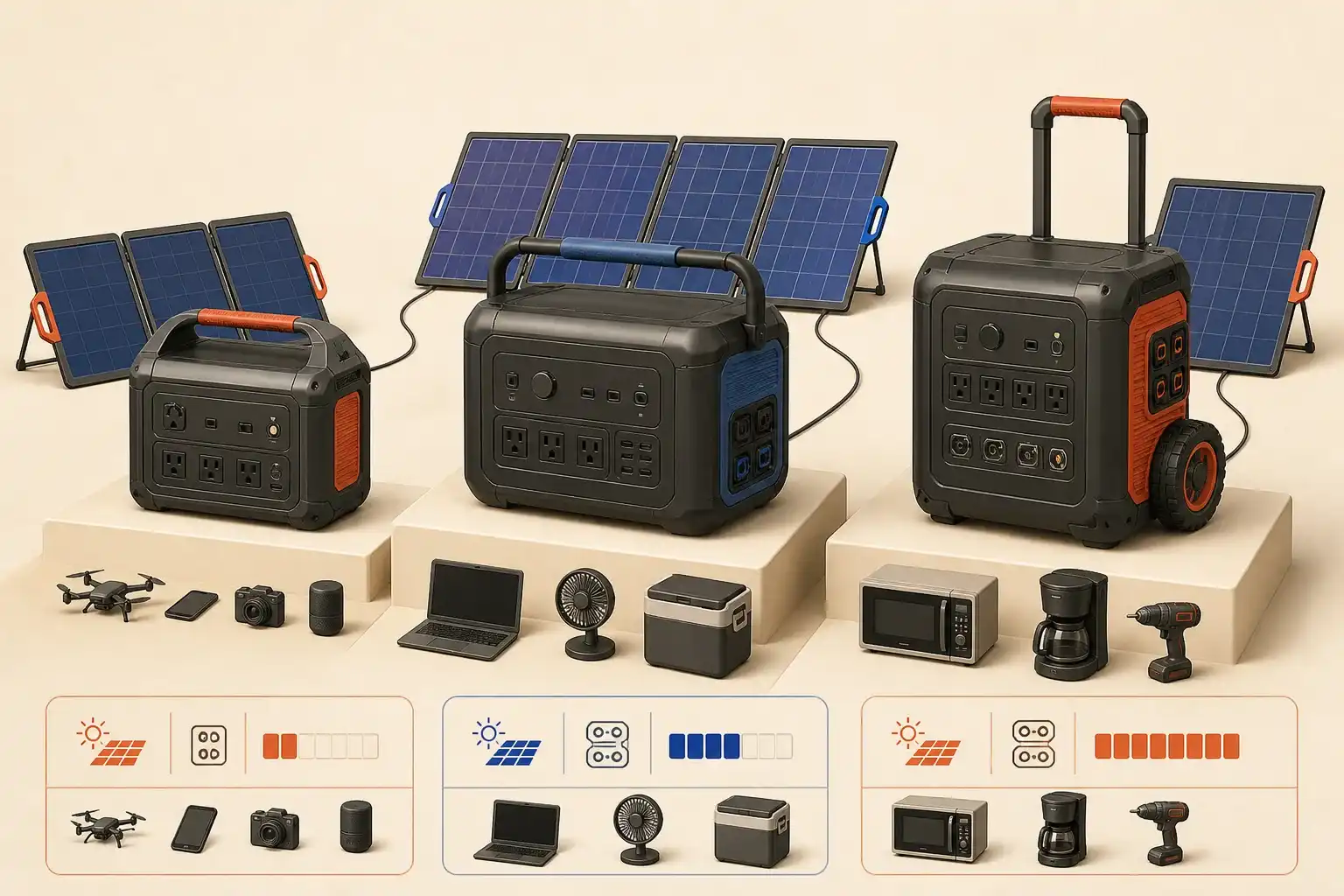
The original C1000 is an expandable system choice, Gen 2 is a lighter high-output revision, and Elite 100 V2 emphasizes solar intake and connectivity. The right decision comes from the load and charging plan, not from the largest isolated specification.
Research shortlist
Products to consider
As an Amazon Associate I earn from qualifying purchases.These are research-based examples—not hands-on test results, promises of availability, or absolute rankings.
Anker SOLIX C1000
The original C1000 fits buyers who value the option to double capacity with the matching expansion battery and accept a heavier enclosure.
Anker SOLIX C1000 U.S. specifications
Anker SOLIX C1000 Gen 2
The lighter, higher-output Anker for buyers prioritizing portability, 10ms transfer, and fast wall charging over expansion-battery support.
Anker SOLIX C1000 Gen 2 specifications
BLUETTI Elite 100 V2
A compact 1kWh alternative for shoppers who prioritize high solar input, dual wireless control, and a broad port mix.
BLUETTI Elite 100 V2 specifications
Sources reviewed
BestSift favors standards bodies, public agencies, official manuals, and primary manufacturer documentation. Accessed August 13, 2026.