Quick Sift
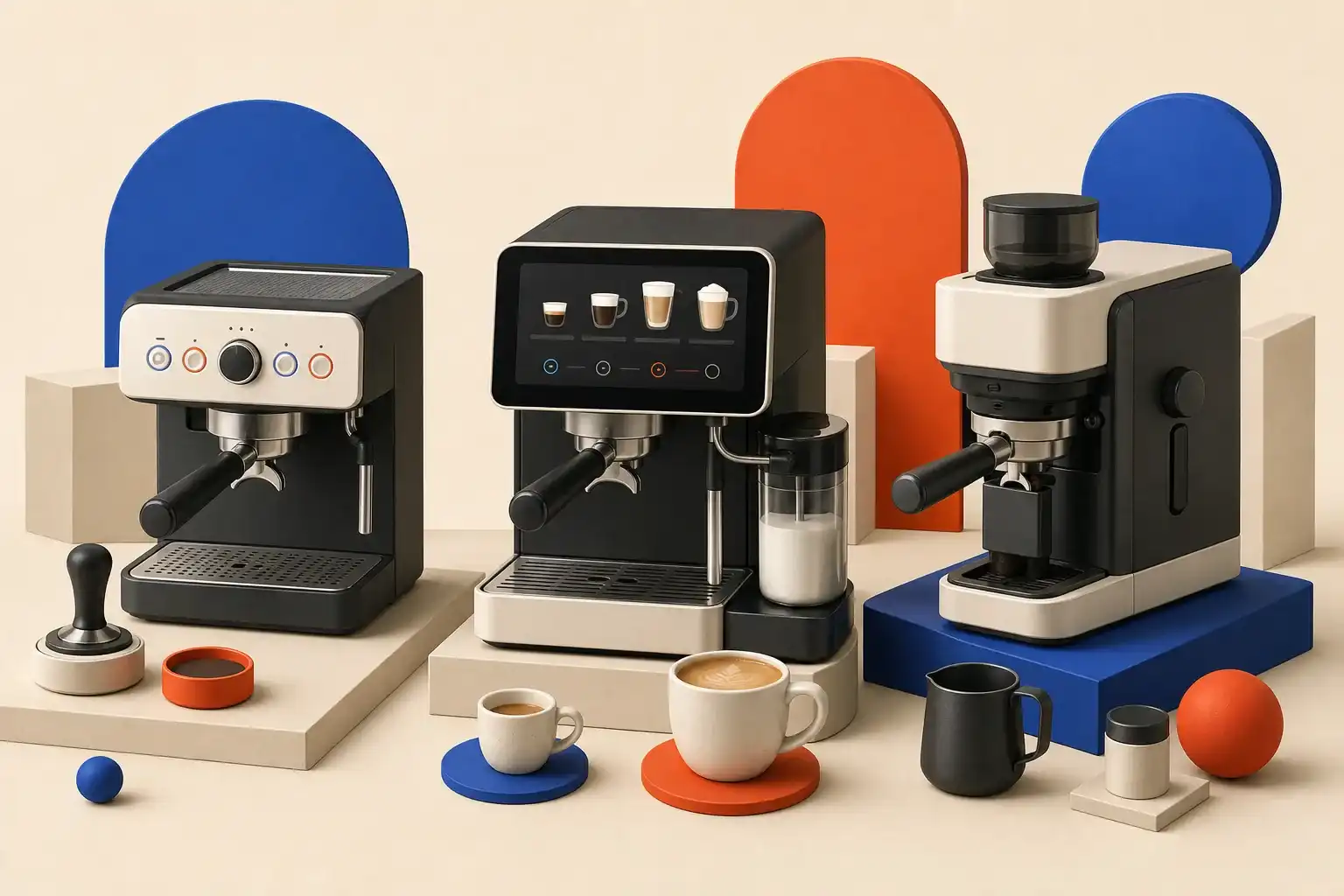
Choose the Barista Pro BES878 for manual milk and direct LCD feedback, the Barista Touch BES880 for touchscreen recipes and hands-free milk texture, or the Ninja Luxe Café Pro ES701 when espresso must share one station with drip coffee, rapid cold brew, and hot water.
Options for different needs
These are different-fit reference options, not a ranking. BestSift earns a commission from qualifying purchases through these links. Our selections are research-based, not hands-on test results.
Breville Barista Pro BES878
LCD guidance · manual steaming
Breville Barista Touch BES880
Touch menu · automatic milk texturing
Ninja Luxe Café Pro ES701
Four brew modes · integrated tamper
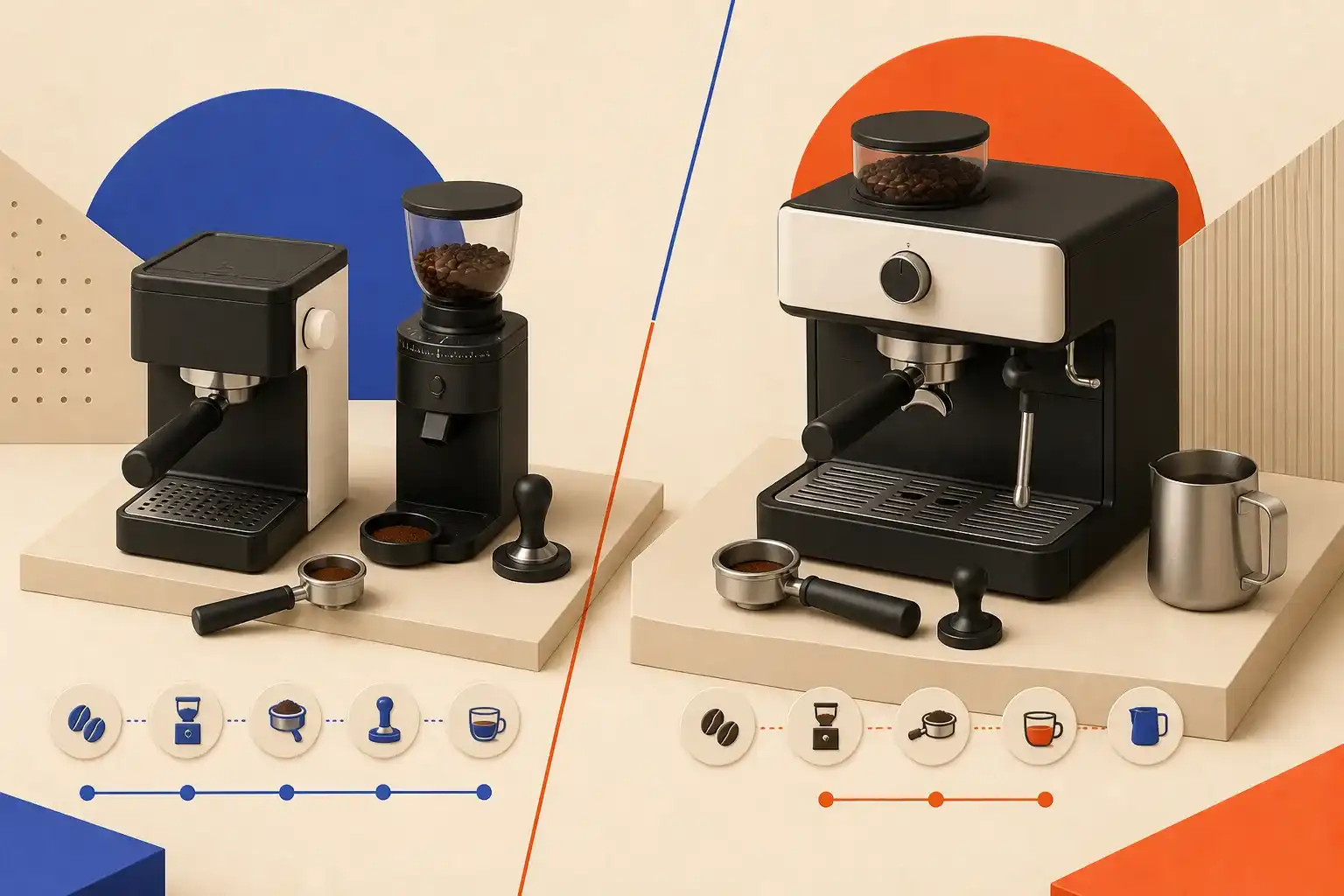
The Breville Barista Pro BES878, Breville Barista Touch BES880, and Ninja Luxe Café Pro ES701 are integrated-grinder portafilter systems that guide the user without becoming fully automatic bean-to-cup machines. Coffee still enters a removable portafilter basket, and puck preparation still influences extraction. The products differ in how much they guide grinding, milk, drink sequencing, and alternative brew formats.
This comparison is about user effort and appliance scope. The Barista Pro keeps milk manual and presents espresso information on an LCD. The Barista Touch adds a recipe touchscreen and automatic milk texturing. The Ninja Luxe Café Pro stretches beyond espresso into drip coffee, rapid cold brew, independent hot water, integrated tamping, and hands-free frothing.
Three guided espresso systems compared
| Decision point | Barista Pro BES878 | Barista Touch BES880 | Ninja Luxe Café Pro ES701 |
|---|---|---|---|
| Main interface | LCD and buttons | Touchscreen drink menu | Guided controls and Barista Assist |
| Milk | Manual steam wand | Automatic temperature and texture | Hands-free Dual Froth System Pro |
| Tamping | Manual removable tamper | Manual tamper | Integrated lever tamper |
| Brew formats | Espresso and hot water | Espresso recipe menu | Espresso, drip, rapid cold brew, hot water |
| Grinder | 30 settings in current U.S. specification | Integrated grinder with dose control | Guided grind recommendations |
| Strongest fit | Hands-on espresso with feedback | Saved drinks with automatic milk | One broad coffee station |
These are manufacturer specifications, not comparative test results. Grind consistency, temperature behavior, steaming speed, and drink quality require controlled hands-on measurement. The table identifies workflow, not a winner.
Barista Pro: guidance without milk automation
The Barista Pro uses an LCD to show grind and extraction information while keeping the portafilter and steam wand manual. Breville publishes a ThermoJet ready time of three seconds, 30 grinder settings, volumetric one- and two-cup controls, and a 54 mm portafilter.
This combination suits someone who wants feedback while learning. The user still weighs or evaluates the dose, distributes grounds, tamps level, observes extraction, and textures milk. The LCD reduces hidden settings but does not detect every puck problem.
Manual steaming is a feature for users who want to control aeration and temperature themselves. It is a mismatch for a household that expects repeat milk texture without practice. The Barista Pro can make excellent use of an engaged operator; it cannot turn an uninterested operator into a one-touch latte workflow.
Barista Touch: automate recipe selection and milk
The Barista Touch builds a touchscreen menu over a similar integrated-grinder and 54 mm portafilter concept. The interface lets users select a drink, adjust coffee strength, milk temperature, and texture, and save personalized recipes. Its automatic steam wand stops according to selected settings.
Automatic milk reduces one of the harder manual skills, but the user still prepares the puck and positions the milk jug correctly. The machine does not transfer milk to the cup or clean the wand without user action. Purging, wiping, and checking the tip remain necessary.
The Touch is most useful when several repeat recipes benefit from saved settings. A touchscreen can also make the machine less direct for someone who prefers physical controls. Review the official menu flow before assuming the interface is inherently faster.
Ninja Luxe Café Pro: broaden the station
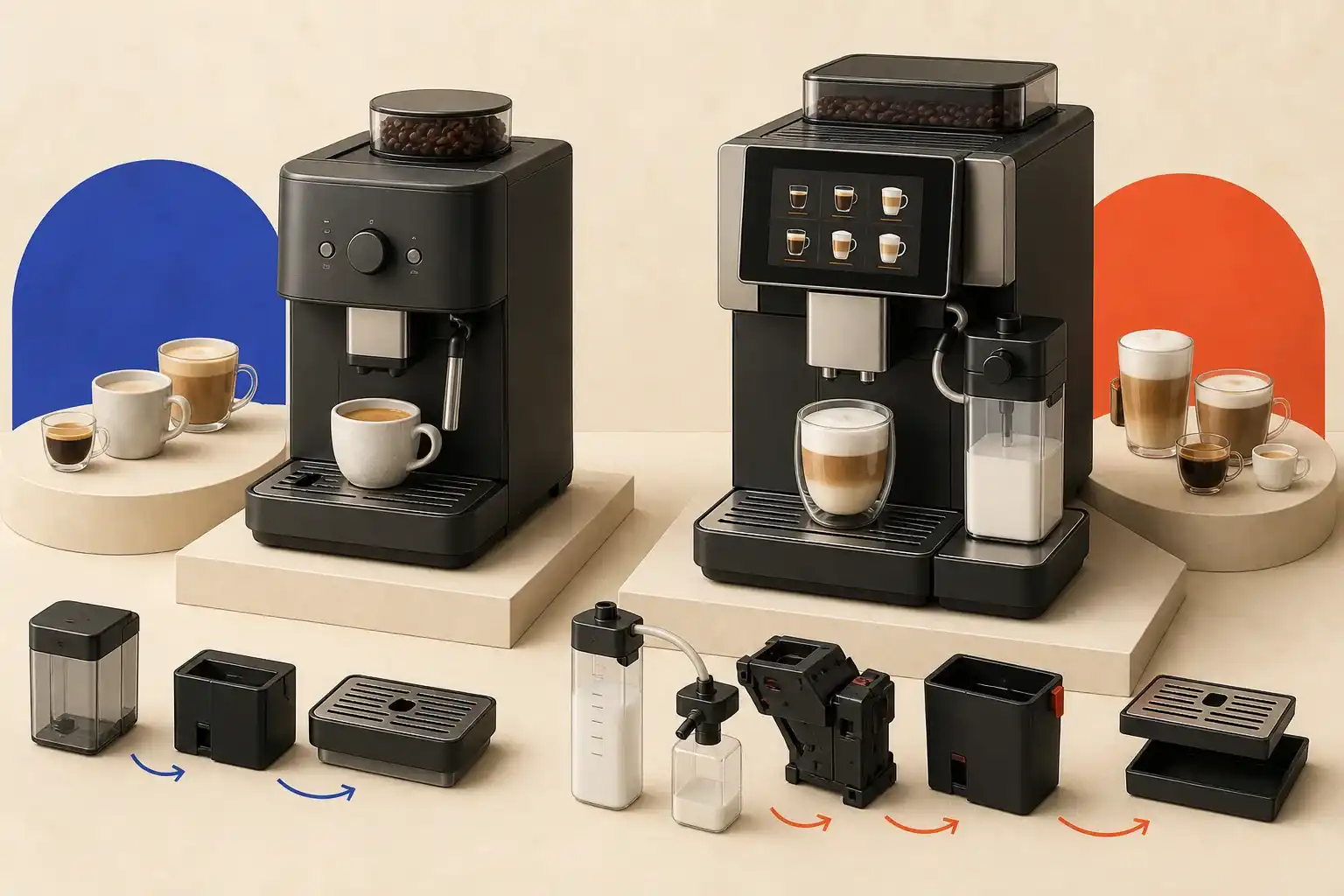
The Ninja ES701 combines four product categories: guided espresso, drip coffee, rapid cold brew, and a hot-water dispenser. It recommends grind settings, uses different baskets, includes an integrated tamping lever, and automates milk with five froth functions. Its published dimensions and weight reflect a substantial multi-function appliance.
This breadth can replace several devices when the household genuinely makes each format. It also creates more components: single, double, and Luxe baskets; portafilter; milk jug; water path; grinder; tamper; hot-water system; and cleaning supplies. A machine that can do more needs a storage location for the parts that are not currently in use.
Ninja’s rapid cold brew is a machine-driven faster process and should not be assumed identical to traditional long-steep cold brew. Evaluate it as its own beverage style. Likewise, drip coffee from a single integrated station may be convenient without replacing a large batch brewer for every household.
How much puck preparation remains?
All three machines grind into or for a portafilter. Coffee distribution and basket fill remain important. The integrated grinder’s timed or guided output should be checked against the basket rather than accepted as a fixed mass for every bean.
The Barista Pro and Touch use manual tamping. A level, repeatable tamp matters more than extreme force. Their magnetic tamper is convenient storage, but a scale and dosing funnel can improve repeatability and cleanliness.
The Ninja’s integrated lever tamper reduces loose tools and can make tamping more repeatable. It does not guarantee that grounds entered the basket evenly. If the grinder clumps or the basket is disturbed before tamping, water can still find uneven paths.
Change one variable at a time during dial-in. Begin with grind, then check dose and beverage output. Machine guidance is a starting point; different roast levels and bean age alter resistance.
Milk systems create different learning curves
The Barista Pro has the highest manual milk burden. It offers direct control and supports latte-art practice, but requires the user to introduce air, create circulation, stop at the right temperature, and clean immediately.
The Barista Touch automates temperature and texture while retaining a conventional jug and wand. That supports repeatability across users. Alternative milk settings are not as explicit on this older platform as on some newer Breville systems, so results vary by formulation.
The Ninja combines steam and whisking through its Dual Froth System Pro and publishes settings ranging from steamed milk through cold foam. That breadth is useful for households making both hot and iced drinks. The whisk and insulated wand components add cleaning details that should be reviewed in the manual.
No milk system makes food safety automatic. Start with cold milk, return containers to refrigeration, discard milk left out too long, and clean every contact surface after use.
Grinder strategy and bean switching
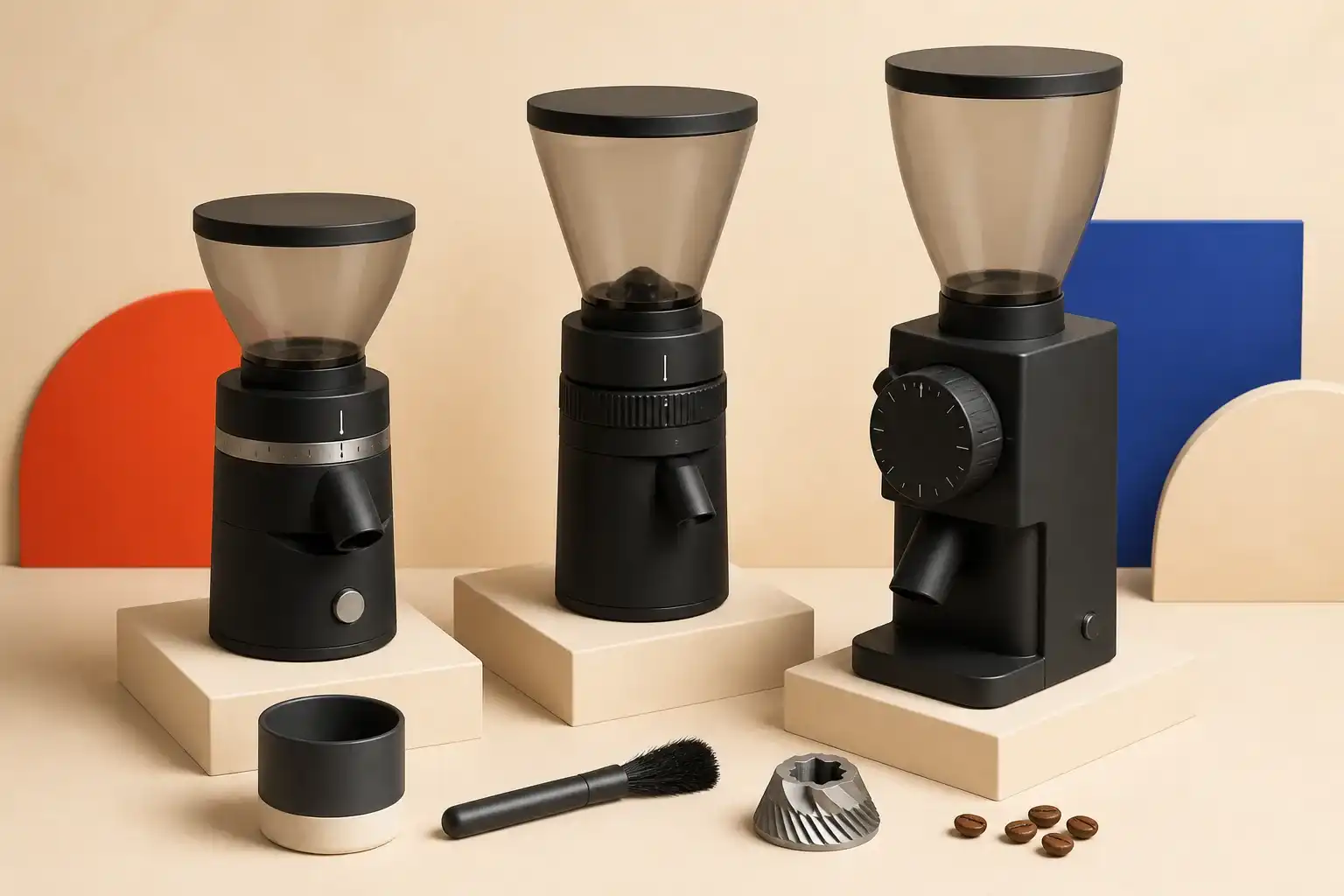
Integrated hoppers are convenient for one main bean. They are awkward for switching regular and decaf because beans and retained grounds remain in the path. If frequent switching is essential, consider single dosing with a separate grinder or accept a purge routine.
Breville identifies 30 precision settings on the Barista Pro. The Barista Touch provides adjustable grinder control but its exact step implementation should be checked on the current U.S. model. Ninja’s Barista Assist recommends settings and adapts guidance, but the user should still observe the actual shot.
Clean grinders dry. Unplug as directed, empty the hopper, run out retained beans if the manual permits, and brush removable burrs and chutes. Water and wet cleaners must not enter the grinder.
Space and storage
The Barista Pro and Touch occupy a similar integrated-espresso station shape, with top hopper and rear tank access. The Touch’s screen does not eliminate space for a milk jug, scale, knock box, and tamping area.
The Ninja ES701 is published at roughly 12.48 inches wide, 13.39 inches deep, and 14.84 inches high, but its working space includes the tamping lever, basket changes, hot-water outlet, and XL milk jug. Leave room to remove the reservoir and clean the drip system.
Measure upper-cabinet clearance with the hopper lid open. Verify the tallest travel mug for drip mode and the cup clearance for espresso. Plan where each basket and cleaning part will dry without being lost.
Cleaning workload
Every machine needs the portafilter and basket rinsed after use, the puck removed, the steam system cleaned, and the drip tray emptied. Espresso backflush or cleaning-tablet cycles and mineral descaling are separate processes.
The Barista machines add grinder cleaning, water-filter replacement where applicable, and steam-wand tip care. The Touch’s automatic milk control does not replace wiping and purging.
The Ninja adds cleaning paths for drip coffee, cold modes, multiple baskets, the integrated tamper area, hot water, and its frothing system. A multi-function appliance is a strong fit only if the owner will follow all applicable cycles.
Which guided system fits?
Choose the Barista Pro if you want manual espresso and milk with a fast heater and visible LCD feedback. It is for a user willing to practice rather than automate the most tactile steps.
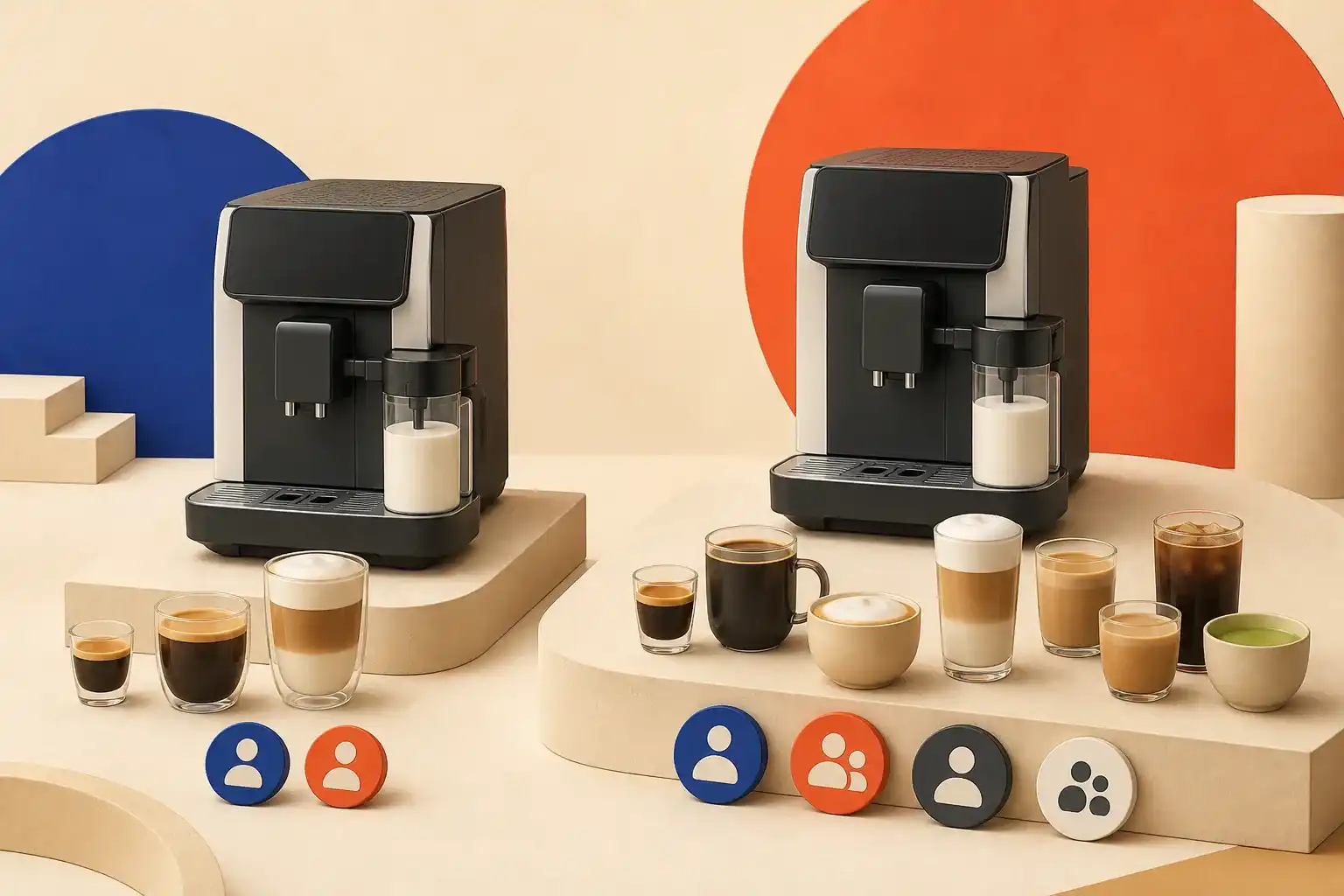
Choose the Barista Touch if saved touchscreen drinks and repeat automatic milk are worth giving the interface more control. It fits multi-user homes where puck preparation is acceptable but manual frothing is not.
Choose the Ninja Luxe Café Pro when the same household makes espresso, drip, rapid cold brew, tea or Americano hot water, and varied milk foam. It is overbuilt for someone who only pulls espresso shots.
Buying checklist
- Identify which brew formats are used every week.
- Decide whether milk technique should be manual or automatic.
- Confirm comfort with portafilter dosing, distribution, and puck disposal.
- Plan how regular and decaf beans will be switched.
- Measure hopper, tank, lever, jug, portafilter, mug, and accessory storage space.
- Review each grinder, steam/froth, coffee-oil, and descaling cycle.
- Verify BES878, BES880, or ES701 on the listing and official support page.
- Check warranty, replacement baskets, burrs, jugs, and cleaning supplies.
The right machine is not the one that automates the most steps. It is the one that automates the step your household dislikes while leaving the steps users still want to control.
Research shortlist
Products to consider
As an Amazon Associate I earn from qualifying purchases.These are research-based examples—not hands-on test results, promises of availability, or absolute rankings.
Breville Barista Pro BES878
A fast-heating integrated-grinder machine for users who still want to control puck preparation and milk texturing.
Breville Barista Pro specifications
Breville Barista Touch BES880
A touchscreen Breville route for households that want saved drinks and automatic milk temperature and texture while retaining a portafilter.
Breville Barista Touch specifications
Ninja Luxe Café Pro ES701
A guided multi-format station for shoppers combining espresso, drip coffee, rapid cold brew, hot water, and hands-free frothing.
Ninja Luxe Café Pro specifications
Sources reviewed
BestSift favors standards bodies, public agencies, official manuals, and primary manufacturer documentation. Accessed August 13, 2026.